Rust solo survival against 200 hunters works only when preparation beats numbers and a builder commits to stealth, disposable outposts and supply discipline
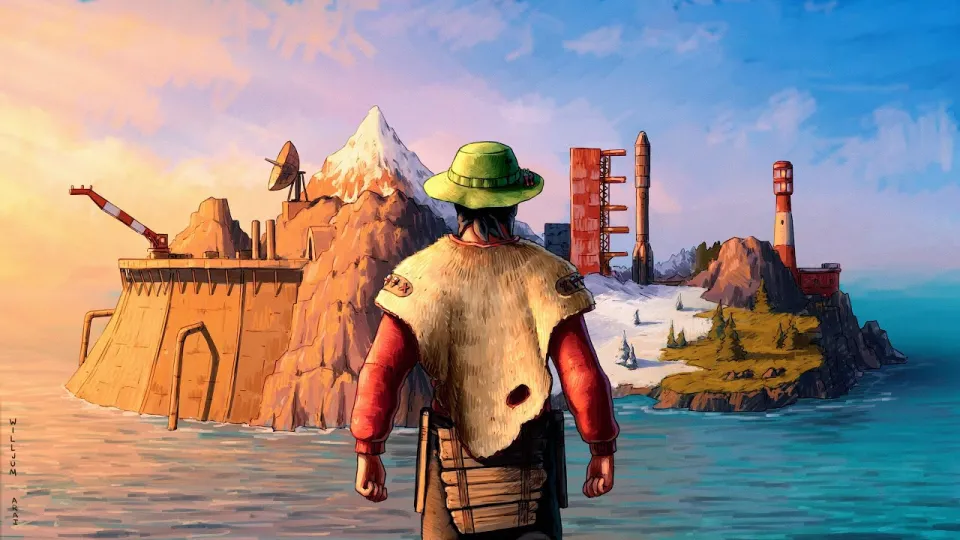
Video: When a Solo Rust builder Vs 200 Hunters...
You can order the same kind of articles for your own video to boost it on YouTube and Google. Just message the Telegram bot @sat_sit_bot. Articles with your video embedded are written and posted by the bot itself — on popular topical sites (no ads). Your first 50 articles are free.
· based on the channel Willjum
Rust solo survival against 200 hunters is winnable only if you treat the raid as a building and logistics problem, not a shooting problem: pick a hidden location, build cheap and redundant, keep resupply routes short, and measure success in hours survived rather than kills. Willjum's solo-builder-versus-200-hunters event on his own server is the clearest recent demonstration of that logic, and the run is documented on his channel with full support options on Patreon.
What the 200-hunter format actually asks of a solo player
The event inverts normal Rust incentives: a single builder owns one base while a large hunter group is tasked with finding and destroying it. Numbers that size cannot be fought head-on, so the solo side wins by denying information — staying unseen, moving on foot, and never leading a chase back to the front door. Hunters, meanwhile, gain from map coverage, group chat callouts and vehicle sweeps. The asymmetry is the point: every minute the base stays standing is a minute the hunter group failed its objective.
Preparation beats gear when the odds are 200 to 1
Preparation is the only lever a solo builder controls, and it pays out in three places: where the base goes, how much redundancy it has, and how fast it can be repaired. A single well-placed base with spare doors, extra stone and a stash of components outperforms a fancy base with no backup. In practice the checklist looks like this:
- Choose terrain over looks — cliffs, dense forest edges and low-traffic grid squares hide a footprint better than a defensible open field.
- Build in layers — an outer shell that is cheap to replace and an inner core that holds loot, so a breach costs materials rather than the whole run.
- Pre-place stash points along the resupply route so a death does not mean a full restart.
- Keep a repair kit — wood, stone and metal fragments — inside the base, not in your inventory.
- Bank progress in small increments; a solo builder who loses an hour of farming has lost the event.
Why a hidden base outlives a fortified one
A hidden base outlives a fortified one because hunters cannot raid what they cannot find, and search time is the solo player's main resource. Fortification invites attention: big walls, furnaces running at night and regular door slams all broadcast a location. Stealth costs the builder convenience — longer walks, smaller boxes, fewer lights — and buys the one thing 200 opponents cannot manufacture, which is delay. The same principle applies to movement: using roads and monuments efficiently is fine, but commuting on the same path at the same time each day hands hunters a pattern.
Supply runs, gear delivery and the bear problem
Supply runs decide how long a solo base can absorb punishment, and in this event outside help became part of the story, with players bringing gear and rope to the builder. Accepting deliveries is a calculated risk — every handoff is a meeting point that can be watched — so the safe pattern is to vary drop locations, keep handoffs short and never walk a supplier to the front door. Wildlife is the unglamorous variable: a bear encounter during a farming run can end a solo attempt faster than a raiding party, and the clip's abrupt cut from a bear sighting to an inventory full of meat is the most honest summary of solo Rust there is. Carry healing, avoid fighting animals at low health, and treat every resource trip as a combat sortie.
How viewers read the run and what it says about solo Rust
The audience reaction is useful data for anyone planning a similar challenge. Three themes dominate: requests for a rematch as a duo or trio, a version with a longer preparation window, and a multi-creator island where several builders defend separate bases before falling back to a final shared position. The most repeated complaint is structural rather than mechanical — long event videos are hard to follow across parts, so a series with a fixed rule set and a clear win condition would be easier to track than one-off spectacles. The takeaway for solo players is that the format rewards the same habits as a normal wipe: patience, map awareness and a base nobody notices.
Useful links
- Patreon — support the channel and the events behind it.
- https://www.twitch.tv/willjum — live Rust sessions.
- https://twitter.com/willjum1 — schedule and event announcements.
- http://creativecommons.org/licenses/by/4.0/ — license for the music used in the video.
Final takeaway
A solo builder survives a 200-hunter event by making the hunter group spend time on search instead of demolition: hidden placement, layered construction, short resupply routes and disciplined movement. Gear helps, but the run is decided by how many repair cycles the base can absorb before the hunters find it. Willjum's breakdown of this format is worth watching for the pacing alone, and the channel is the place to follow if you want to see whether a duo or 24-hour-prep version lands next. If you want these events to keep happening, the support link is Patreon.
Key takeaways
- Willjum's solo-vs-200-hunters run is a custom server event, not a standard wipe: one builder against a large hunter group.
- The winning condition is time survived and base integrity, not kill count — a solo player cannot out-fight 200 opponents.
- Prep matters more than gear: placement, stash routes and spare building materials decide how long a base lasts.
- Community support is a real mechanic in these events — viewers and other players delivered supplies to the solo builder.
- The format spawned demand for duo, trio and 24-hour-prep rematches, plus a multi-creator island variant.
Questions & answers
Can a solo player actually beat 200 hunters in Rust?
Not by fighting them. A solo builder survives by staying hidden, keeping the base repairable and forcing the hunter group to waste time searching. Success is measured in hours the base stays standing, not in kills.
What is the best base for a solo-versus-many event?
A small, hidden, layered base in low-traffic terrain beats a large fortress. Cheap outer walls absorb the first breach while the core holds loot and spare materials for repairs.
Is accepting gear deliveries from other players worth the risk?
Usually yes, because materials matter more than pride, but every handoff is an exposed meeting point. Vary drop locations, keep meetings short and never lead a supplier back to the base.
Would a duo or trio version of this challenge be easier?
Easier to survive, harder to hide. More players mean faster farming and repairs but also more movement, more noise and more chances for the group to be spotted and tracked.
Source: When a Solo Rust builder Vs 200 Hunters... · Markdown version